



An international gathering that opened an important conversation about adolescent education
Jolly Home School was proud to be a partner of the Montessori Erdkinder International Conference 2026, which became an extraordinary and meaningful gathering of people who care deeply about the future of adolescent education.
During two inspiring days, the conference welcomed nearly 170 participants onsite and more than 180 people registered online. The scale of interest and engagement exceeded expectations and confirmed how relevant and necessary the discussion about Montessori adolescent education is today.
“The future of education is built through dialogue.”
Why Montessori adolescent education matters today
The conference brought together Montessori educators, school leaders, researchers, students, and practitioners from different countries and educational backgrounds to reflect on one of the most important areas of Montessori education: preparing adolescents for real life through meaningful work, responsibility, community life, and economic independence.
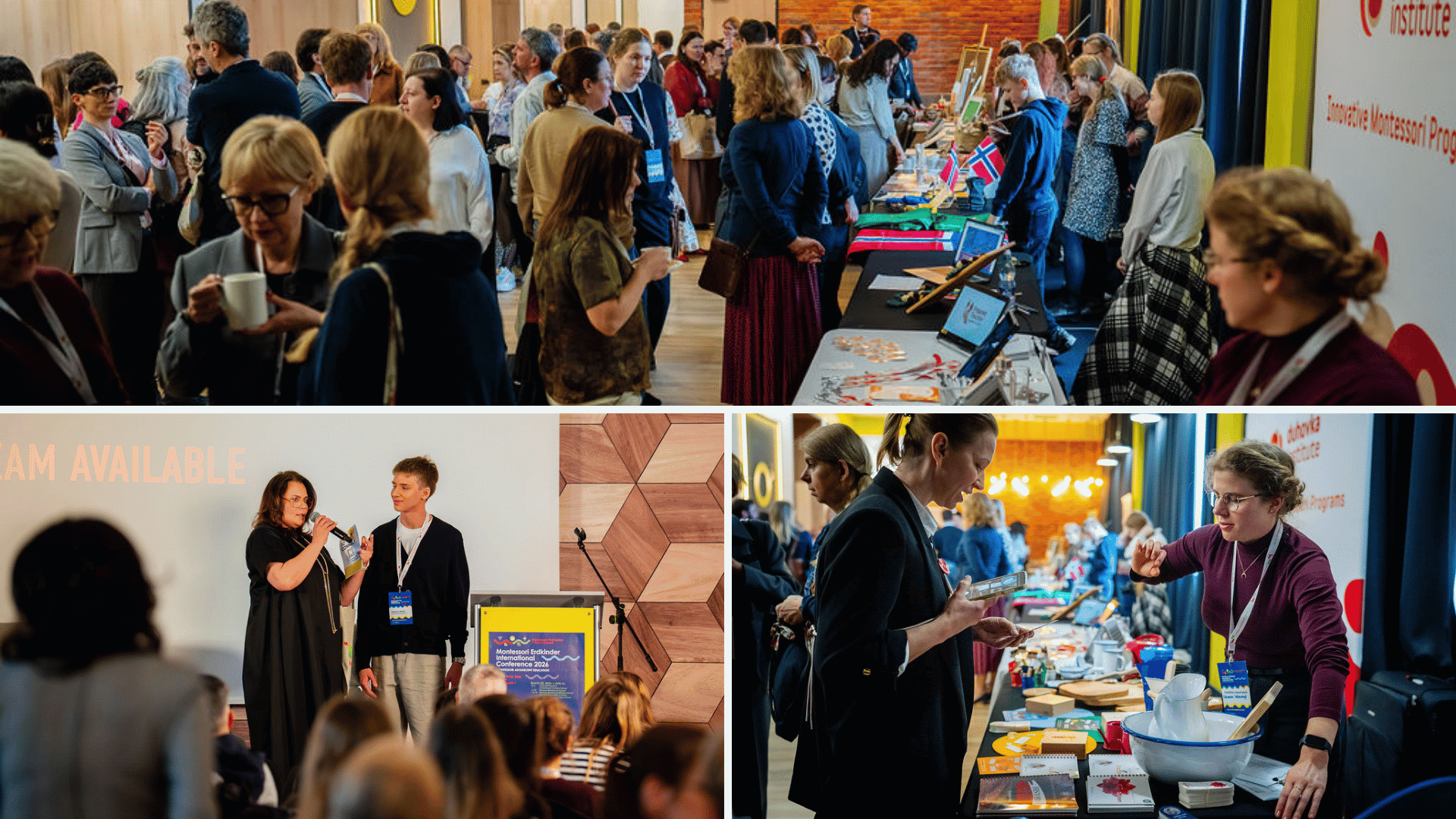
Centre for Study and Work and the main conference themes
Throughout the weekend, participants attended lectures, workshops, panel discussions, and student-led presentations focused on the concept of the Centre for Study and Work — Maria Montessori’s vision for adolescent education. The topics included production and exchange, social organisation, woodworking, gardening, beekeeping, neurobiology of adolescence, and the importance of purposeful work in adolescent development.
International speakers and experts
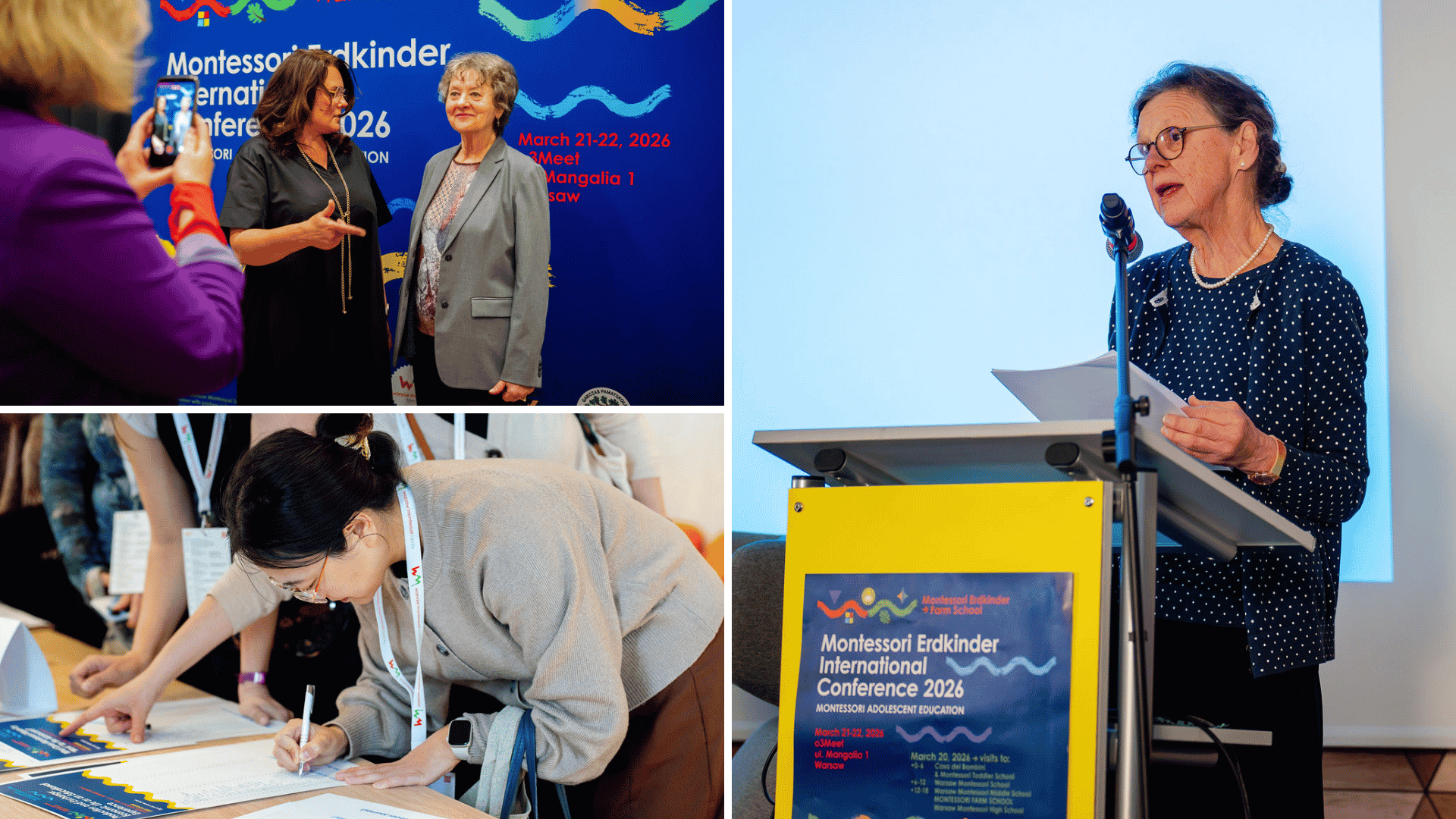
The conference hosted outstanding speakers and presenters from around the world, including Jenny Hoglund, Patricia Pantano, Chris Marks, Emily Dowell, Marek Kaczmarzyk, Beata Bednarczuk, Małgosia Tarnowska, Vierka Máchalková, Jakob Strack, Rathin Gotlur Manjunath, Madhura Aravind Minna, and Krzysztof Sokół together with students. Their expertise, authenticity, and willingness to share experience created a truly inspiring atmosphere.
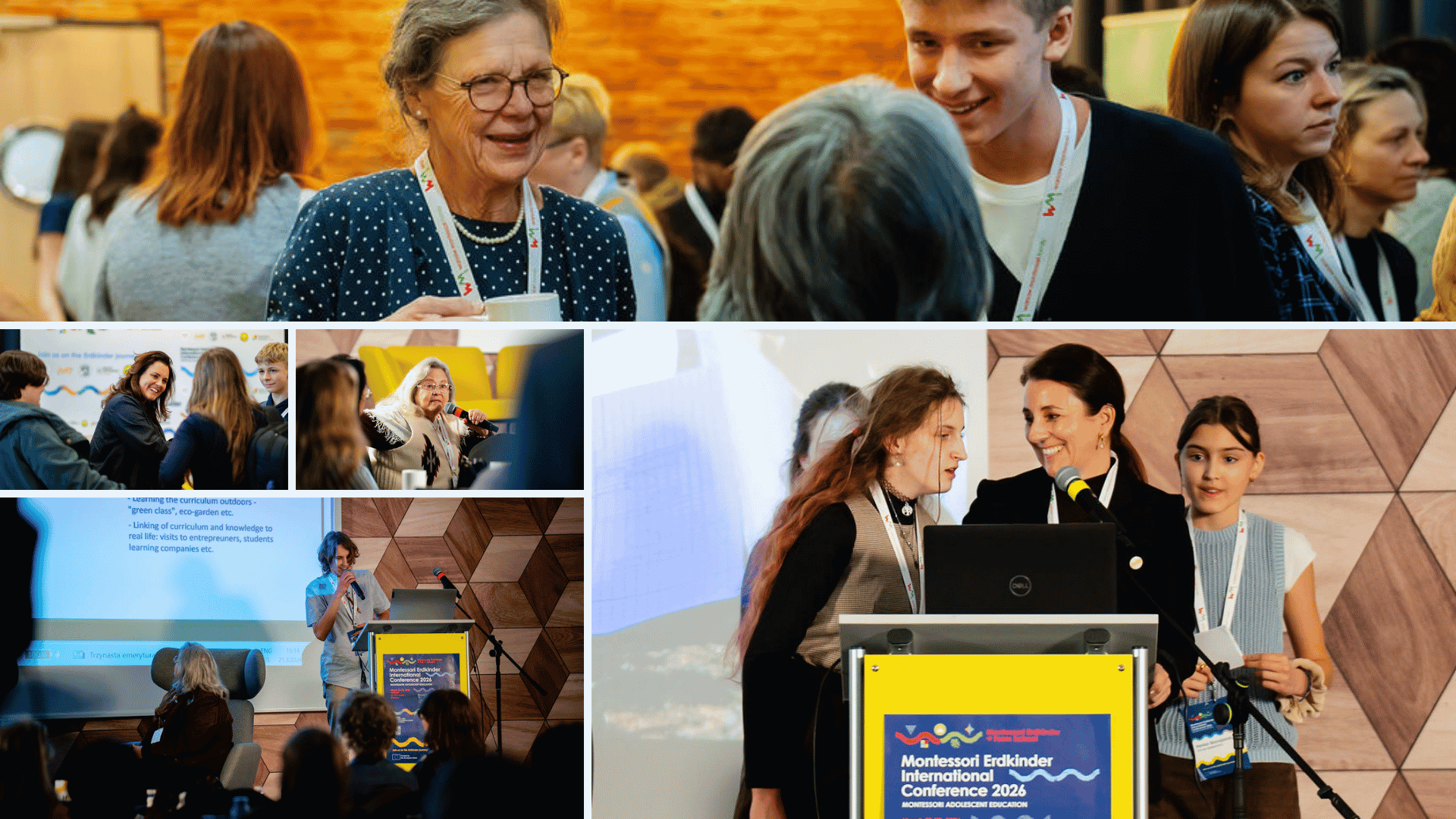
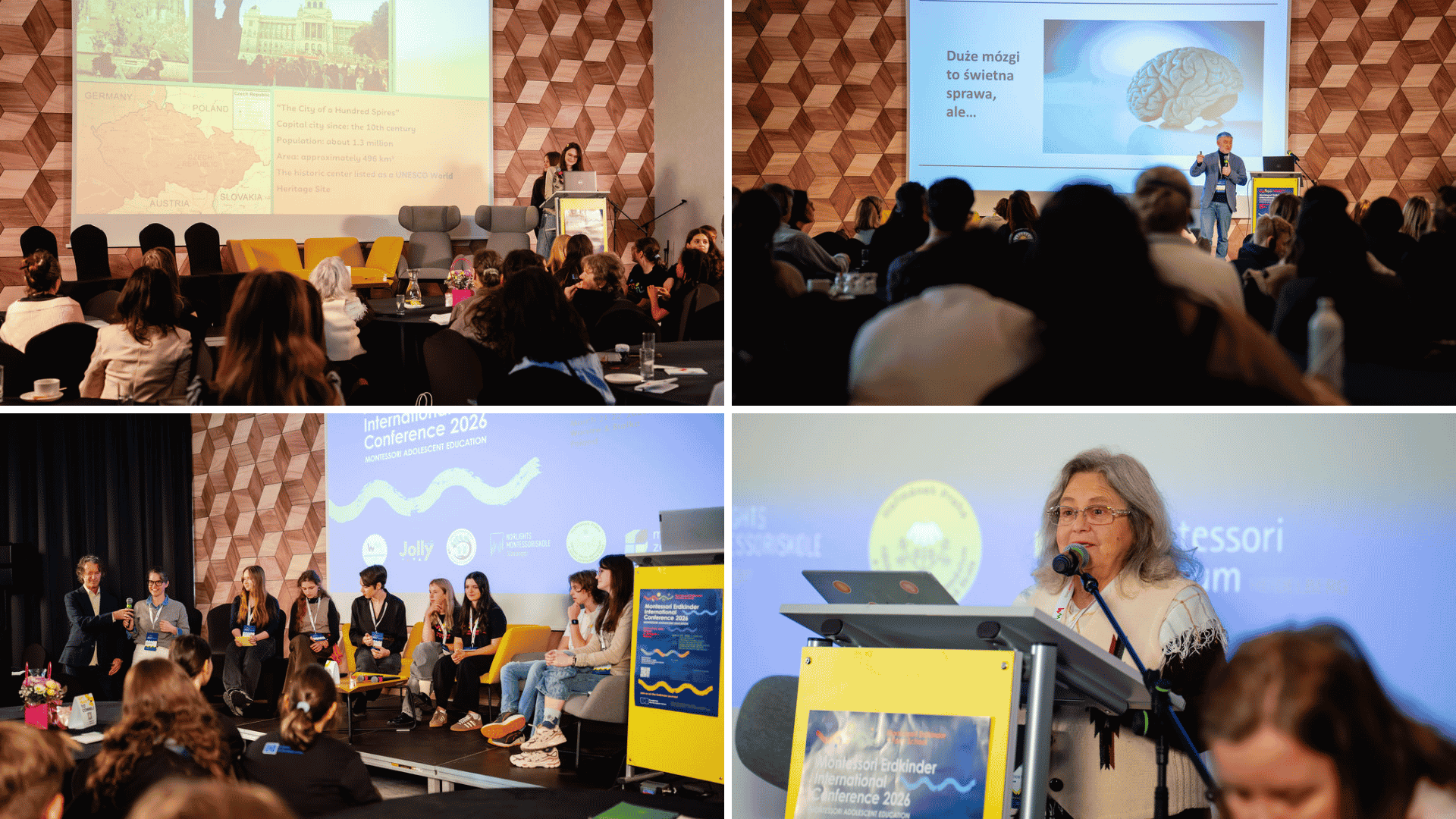
One of the most valuable aspects of the conference was the opportunity to connect educators, adolescents, researchers, and Montessori practitioners from different countries and schools. The discussions, questions, and informal conversations continued far beyond the lecture halls and reminded us that Montessori education is not only a methodology, but also a living community built on collaboration, reflection, and shared purpose.
Why the topic of adolescence matters to Jolly Homeschool
For our school, being part of this project was an incredibly valuable experience. We strongly believe that adolescence deserves greater attention, respect, and environments where young people can experience real responsibility, meaningful work, community, and authentic contact with life.


The remarkable interest in the conference — both onsite and online — clearly showed that there is a growing need worldwide to rethink adolescent education and create environments where young people can discover their value, contribution to society, and their place in the world.
We would like to express our heartfelt gratitude to all speakers, workshop leaders, panelists, students, volunteers, organisers, and participants who contributed to this event. We also thank the entire Warsaw Montessori Family and Montessori Farm School community for the enormous amount of work, preparation, and passion invested in making this conference possible.
We are grateful to have been part of this shared journey and believe that international collaborations like this will continue to support the development of Montessori adolescent education around the world.
Conference recordings and lectures
Selected lectures and ideas from the Montessori Erdkinder International Conference 2026.
Study & Work: Montessori Foundations of Economic Independence for Adolescents
Jenny Höglund explores the concept of the Centre for Study and Work and the importance of meaningful work in the development of adolescents, responsibility, and economic independence.
What Does “Work” Mean for the Adolescent in Montessori Education?
Patricia Pantano explores what “work” truly means in Montessori adolescent education and how meaningful contribution helps young people build dignity, belonging, and a real sense of purpose within the community.
Production and Exchange: Economic Life as Part of Education
Jenny Höglund explores production and exchange as an essential part of Montessori adolescent education and demonstrates how real economic life helps young people understand their contribution to society.
Purposeful Work and Community: Social Life in Montessori Erdkinder
Chris Marks and Emily Dowell discuss how shared responsibility, community life, and social organisation create an environment where adolescents naturally develop cooperation, leadership, and social harmony.
Centre for Study and Work: Bringing Montessori’s Vision into Practice
Jenny Höglund, Patricia Wallner, and Patricia Pantano discuss how Montessori’s vision for adolescent education can be transformed into everyday practice through the integration of study, work, and community life.
Work That Has Value: Economy, Responsibility, and the Adolescent
Patricia Pantano explains why adolescents need meaningful work experiences and how real responsibility, economy, and community life contribute to self-worth and a deep sense of belonging.
Preparing the Adolescent for Real Life: Production, Exchange, and Social Organisation
Vierka Máchalková, Jakob Strack, and Małgosia Tarnowska discuss how the Erdkinder model connects production, exchange, and social organisation to prepare adolescents for real life, responsibility, and economic awareness.
Learning Through Real Work: The Adolescent Experience
This panel discussion led by Chris Marks and Emily Dowell brings forward the perspective of adolescents themselves and explores how meaningful work, responsibility, and community shape their everyday experience.
The Neurobiological Foundations of Adolescence and Intergenerational Cooperation
Marek Kaczmarzyk, PhD, explains the neurobiological changes taking place during adolescence and demonstrates how understanding the adolescent brain helps adults create supportive environments for cooperation and social development.